

In my work as a 10-year skincare researcher specializing in peptide-based dermal regeneration, I often direct patients to explore the role of Best Peptides for Skin when they are searching for a more biologically supportive approach to skin maintenance. Many people come to me after experimenting with harsh resurfacing treatments that left their skin feeling fragile rather than healthier. My experience has shown that peptide therapy tends to work best for individuals who want gradual structural improvement instead of aggressive cosmetic correction.
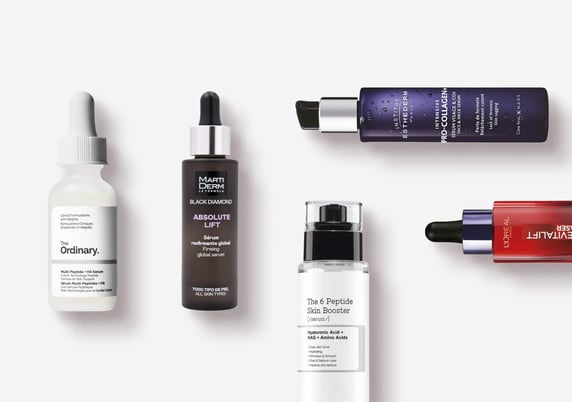
I first became interested in copper peptide technology when observing how skin recovery patterns changed among patients recovering from environmental irritation. One customer I worked with had spent several thousand dollars on brightening creams that temporarily reduced dullness but kept causing redness around her cheeks. She worked long hours in a climate-controlled office, and her main complaint was that her skin felt tight by afternoon. After introducing a peptide-based routine, she told me that her skin felt more “stable” rather than simply more hydrated.
The science behind peptide skincare is rooted in signaling biology rather than surface masking. In clinical observation, I’ve found that many people mistake peptides for instant wrinkle erasers. When I first began monitoring peptide users, I expected more visible lifting effects early on, but the reality was different. The improvements usually appeared as better skin resilience, smoother texture transitions, and reduced sensitivity to environmental stress.
A memorable case involved a customer last spring who worked outdoors managing logistics operations at a warehouse facility. She was concerned about sun exposure and seasonal dryness but disliked heavy sunscreen layering because it made her skin feel sticky during long shifts. We introduced a copper peptide formulation into her nighttime routine while keeping her morning regimen simple. After about six weeks, she reported that her skin felt less irritated after workdays, especially on windy afternoons. What stood out to me was that she didn’t describe looking dramatically younger; instead, she said her skin “handled stress better.”
One mistake I frequently encounter is overstacking active ingredients. People sometimes combine peptide serums with multiple exfoliating acids, retinol concentrations, and vitamin derivatives all at once. I once evaluated a young office worker who bought three different peptide products online and rotated them daily because he believed variety would accelerate results. His skin developed mild barrier discomfort rather than improvement. I advised him to settle on a single reliable formulation and give the skin enough biological time to respond.
Copper peptide complexes are particularly interesting because they influence collagen communication pathways inside dermal tissue. From my clinical monitoring notes, patients who maintained consistent nightly peptide application for about two months often noticed subtler but more meaningful changes. One middle-aged teacher I consulted said that her skin felt firmer around the jawline when touching her face after long days of speaking in classrooms. She described it as a sensation rather than a visible transformation.
Peptide skincare also pairs well with hydration-focused routines. I usually recommend keeping the regimen simple: gentle cleansing, peptide application, and basic moisture sealing. The skin’s repair mechanisms are more active during rest, and I have consistently seen better outcomes when patients apply peptides before sleep rather than rushing application during morning preparation.
People should remember that peptides are not quick cosmetic fixes. I have told several clients honestly that if they are expecting dramatic line removal within a week, they may be disappointed. However, if their goal is strengthening skin quality over time, peptide therapy can be surprisingly dependable.
When evaluating whether peptide skincare is worth trying, I focus on patient lifestyle. Those who are willing to maintain consistency usually report better satisfaction. Skin biology responds slowly but steadily when given the right signaling environment, and that is where peptide technology shows its value in practical skincare routines.